Introduction
Have you ever wondered why a machine that should run like poetry sometimes stumbles like a clumsy dancer? I ask because right now many workshops report downtime spikes, and field tests show efficiency gaps of 5–15% in small fleets—numbers that quietly add up. In this scene I speak of a motor controller, the subtle brain that governs speed and torque, and I mean the one at the heart of pumps, conveyors, and EV subsystems.
Imagine a factory floor at dawn: lights on, conveyors humming, but a few drives draw more heat than they should (unpleasant surprise). Data from short benchmark runs often reveals excessive torque ripple and thermal spikes. So I keep asking: why do so many control systems still deliver mediocre steady-state performance when the math says they could do much better?
There is history here—legacy inverters, constrained firmware, and patchwork upgrades—and there is opportunity too. Let us step, gently, into the problems that make engineers sigh, and then look forward to solutions. — Next, I will break down the hidden flaws that often go unspoken.
Where Traditional Designs Fall Short
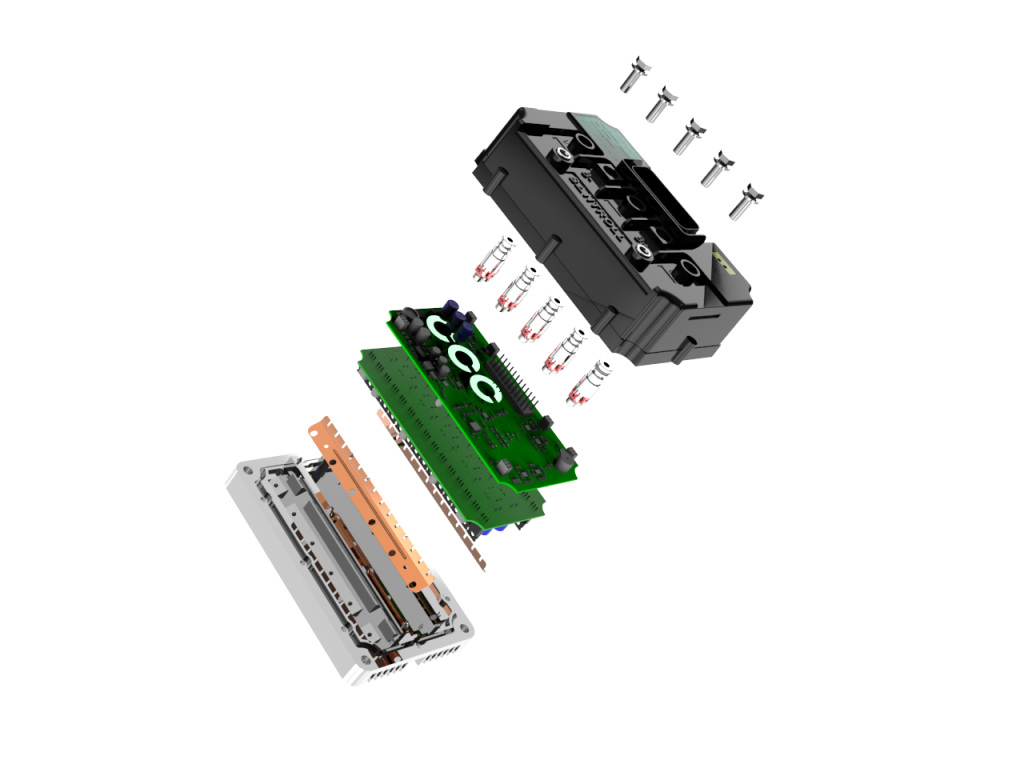
When I examine an ac electric motor controller, I see more than silicon and code; I see trade-offs made decades ago. At their core, many conventional designs rely on bulky inverters and basic PWM schemes that were never intended for today’s demands. Field-oriented control (FOC) exists, sure—but its implementation varies wildly. The result? Unexpected torque ripple, inefficient power converters, and thermal hot spots that shorten component life.
Let me be blunt: many vendors ship controllers with limited sensorless control algorithms and constrained processing budgets. That means latency when the load jumps, jitter in speed loops, and firmware that resists easy updates. Look, it’s simpler than you think—if the compute architecture can’t handle advanced control math, you get crude control behavior. Add EMI sensitivity and poor EMC layouts, and you have devices that behave well in calm labs but falter in harsh field conditions.
Why does this keep happening?
Because decisions were made on cost and time, not on holistic system behavior. Engineers patched power converters, tweaked gate drivers, and hoped for the best. Meanwhile, edge computing nodes and diagnostic telemetry were tacked on later, often with poor integration. I’ve seen teams chase a small efficiency gain with a firmware patch, only to face a bigger reliability problem weeks later—funny how that works, right?
Future Outlook: New Principles and Evaluation Metrics
Looking forward, I want to sketch how smarter design choices will change electric drives. For me, the pivot is clear: integrate robust control algorithms with modern hardware and honest thermal design. When we talk about electric motor solutions, we should mean systems where inverter topology, sensor fusion, and advanced FOC work together—not separate pieces glued by duct tape firmware.
In practical terms, I expect wider use of modular power converters, faster microcontrollers that handle real-time observers, and better EMI practices. Case studies are already emerging where upgraded controllers cut energy use by double digits and reduced maintenance calls. These are not theoretical gains; they are operational wins you can measure. We’ll also see more transparent diagnostics, so technicians don’t have to chase phantom faults at 2 AM.
What’s Next
To choose the right solution, I advise evaluating three key metrics: efficiency under variable load, control latency and torque ripple, and ease of field upgrades (firmware and diagnostics). First, measure real-world efficiency—not just peak numbers. Second, look at loop timing and how the controller handles transient loads; small latency means smoother torque. Third, prefer systems with clear OTA or service update paths. I’ve used these metrics on several programs, and they reveal practical differences fast.
In closing, I’ll say this: the problems are tangible, and so are the remedies. We can design better controllers by prioritizing integrated hardware-software tuning, resilient power converters, and honest diagnostics. I’m excited by the progress I see—and cautious, because adoption is uneven. If you want a partner who thinks in whole systems, check how solutions stack up with companies like Santroll. We owe it to the machines—and to the people who keep them running—to make control systems that are reliable, efficient, and frankly, a little graceful.