Problem: Film goes bad between seasons
Many small growers know this problem: roll of plastic looks fine in autumn, but spring it is brittle, dirty, or hard to unwind. Heat, UV, dust, pests, and poor stacking make film finish lose performance fast. For low-budget operations, correct storage means less waste and better crop results. I point to practical products like agricultural plastic sheeting because choice of film and how you keep it together matter from day one.
Why it breaks: common failure points
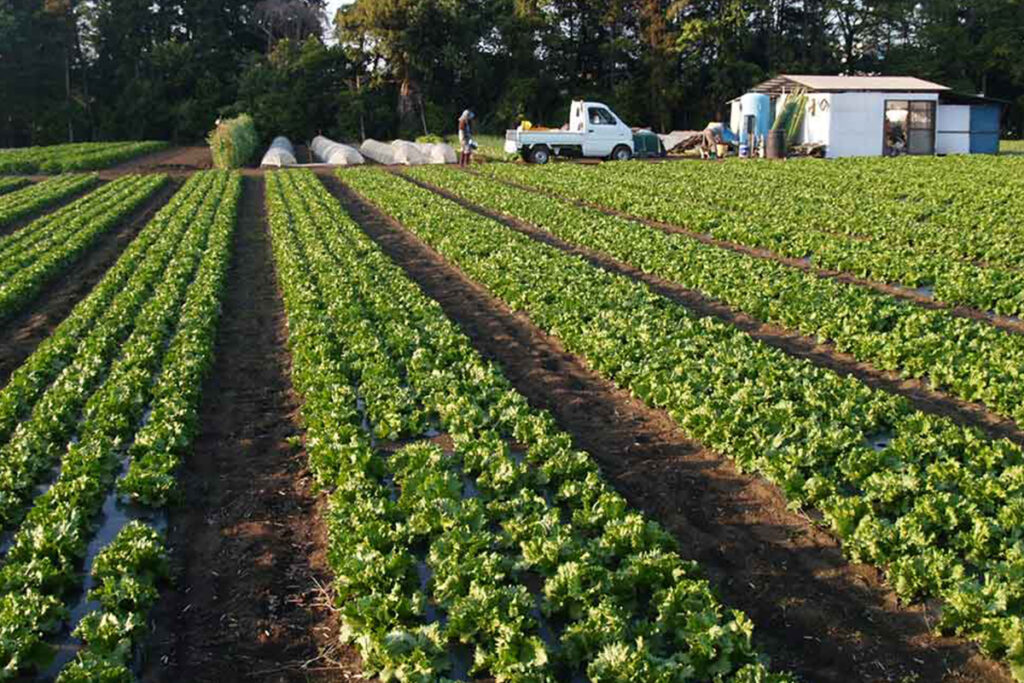
Film fails by stretching, UV crack, contamination, and inner-core deformation. Often problem starts with one simple mistake: rolls stored on damp ground. Another is too-tight stacking that squashes edges and makes film creases. My background is hands-on—over ten years working with growers and suppliers—so I have seen patterns repeat. A clear example comes from growers in the California Central Valley who must protect film from strong sun and hot warehouses during off-season to avoid early degradation; a useful documentation is the plastic film case showing packaging and storage adjustments that limit damage.
Practical steps you can do today
Start with clean, dry rolls. Remove loose dirt and let film breathe for a few hours before putting in storage. Use pallets or shelving to lift rolls off floor; cover with breathable tarpaulin so moisture does not trap. Keep temperature variation moderate—do not store film near hot machinery or direct sun. Label each roll with date, film type, and layer count to avoid wrong reuse. When unwrapping for use, warm cold film slowly to prevent cracking. Do not stack too high—four rows is often safe for medium-density rolls. These steps are small, but repeat them and you cut film loss noticeably.
Common mistakes and how to avoid them
Big mistake: thinking all films are same. Some stretch films recover better after cold storage; some mulches need UV-stable coating. Mistake: sealing film in airtight plastic bag—this traps humidity and grows mold. Mistake: using forklift without edge protectors—corners get torn. Fix each by matching storage to film type, allowing ventilation, and protecting edges during handling. Test a sample roll after three months to confirm your routine is working.
Alternatives and trade-offs
Indoor climate control is best but expensive. Cheap option is shaded outdoor rack with a ventilated cover—good for short season gaps but less reliable in humid regions. Vacuum-sealed drums save space but risk condensation. Compostable films reduce disposal need but often cost more and need different handling. Choose by budget and how long you store: short-term storage favors covers and pallets; long-term favors indoor, temperature-stable space and careful labeling.
Final synthesis
Fix the simple things first: clean rolls, off-floor storage, light protection, and labeling. These reduce waste, save money, and make film perform when season comes. For design and implementation examples that mirror small-farm realities, look at experienced partners who publish real cases and adapt solutions to local climate, like HGDN.