Introduction — a quick scene, hard numbers, a single question
I remember standing at the shop door while the shift changed, watching a part come out with a thin, wavy finish and thinking, “We can do better.” In that very moment I had 12 hours of scrap piling up on the floor (and a worried foreman counting down lost time). CNC turning and milling machine setups should not leave you guessing—the repeatability numbers I saw that week dropped from 98% to 74% in one quarter. That’s not acceptable when cycle time and yield are what keep the lights on. So how do we stop repeating the same avoidable mistakes and actually tighten tolerances without burning cash or morale? I’ll walk you through what I learned, plain and direct, with steps you can act on tomorrow. (Yes, even the small shops can compete.) Let’s move into the real problems and why they sneak up on teams. Transitioning now into the hidden failure points—read on.
Part 2 — Digging Deeper: Traditional Fixes That Miss the Mark
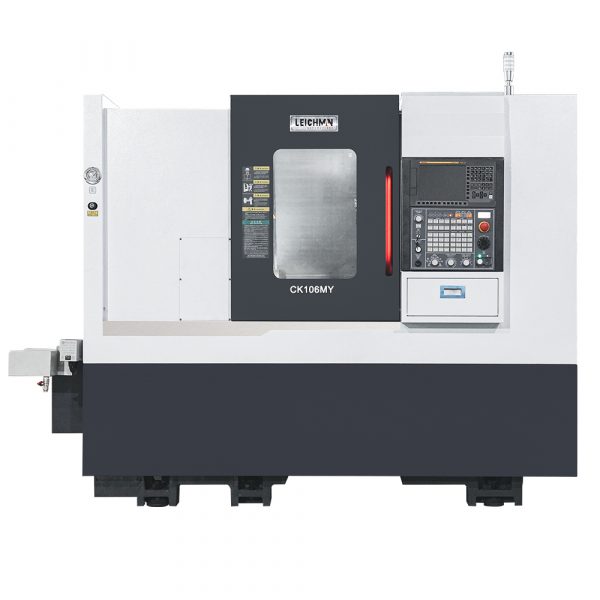
cnc heavy duty lathe operators often double down on tried responses: slower spindle speed, heavier cutting fluid, or redoing the program. Those moves can help in the short run, but they ignore root causes like poor tool runout, inadequate spindle preload, and inconsistent tool turret indexing. I’ve seen teams blame software when the real issue was a worn collet or a marginal servo drive. Look, it’s simpler than you think — check the basics first. In my experience, a quick spindle inspection and a tool-holder swap reduce chatter and cut scrap by a third faster than a full program rewrite. That’s not a theory; it’s what I saw when I stopped accepting “it’s the machine” as an answer.
Why do these traditional fixes fail? Because they treat symptoms, not systems. When you change feeds or depths without addressing vibration sources (spindle torque imbalances, loose fixturing), you just mask the problem. A better path is to measure: runout at the tool tip, static balance of the chuck, and coolant flow rate. These are small checks that reveal big problems. After one shop introduced a simple checklist and calibrated its torque and coolant delivery weekly, their first-pass yield climbed steadily. I’m not saying this is glamorous, but it works — and it builds operator confidence. And yes — funny how that works, right?
What’s the root cause?
Often it’s a stack of minor issues rather than one headline failure: tiny runout, slight spindle play, subpar tooling grade, or inconsistent cutting feed rate. Fixing one without the others is like tightening one bolt on a leaky pipe. You’ll get wet again. I prefer a short audit: check tool turret indexing, confirm servo drive feedback, and verify coolant pressure before changing programs. Those checks catch the usual suspects fast.
Part 3 — Forward View: New Principles That Actually Change Outcomes
Moving forward, I’m convinced the best wins come from adopting a few core principles rather than chasing every new gadget. First: sensored awareness. Fit vibration sensors or a simple spindle monitor to watch for rising harmonics before they wreck parts. Second: modular tooling standards — pick holders and inserts that are repeatably tight and easy to swap. Third: feedback loops — short, daily metrics that tell you if a change helped. When we retrofitted one line with basic spindle sensors and standardized holder clamping, downtime dropped and setup time shrank. These are practical, not theoretical, shifts.
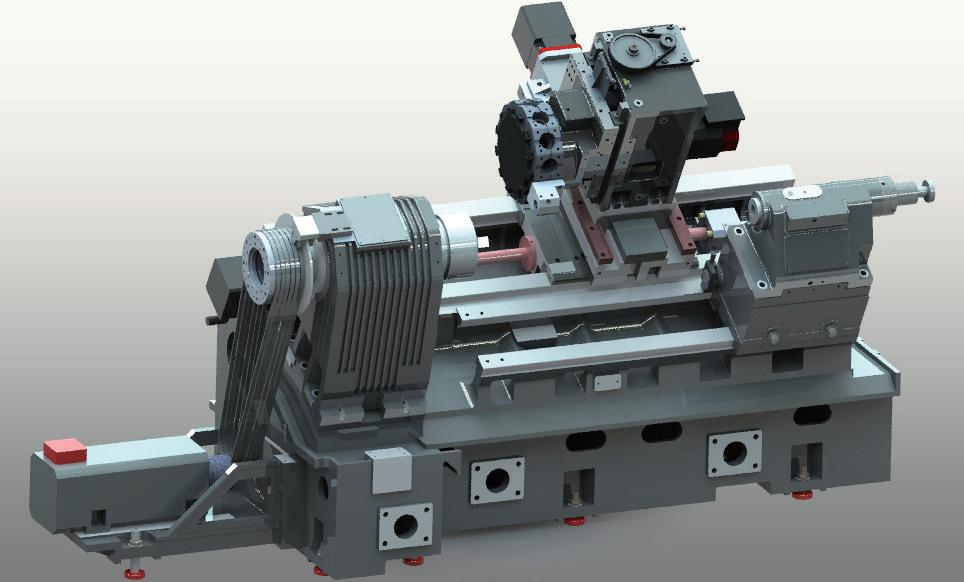
Thinking specifically about the next generation of shops, a modern heavy duty cnc lathe should make those principles easy to apply: built-in diagnostics, accessible mounts for sensors, and robust servo control that tolerates harsh cuts. I expect to see tighter integration of condition monitoring and smarter presets for torque and feed. That means less guesswork and fewer late-night program edits. We’ll need to couple that tech with operator training — tech alone won’t save you. Machines can warn you, but people still decide. — it’s a team game.
Real-world Impact: What this means for your shop
Adopting these principles typically cuts scrap, shortens setup, and improves morale. You’ll notice fewer frantic calls to programmers at 2 a.m., and that’s worth a lot. Small wins—like consistent tool-holder torque—compound into big results across a month.
Conclusion — three practical evaluation metrics and a final thought
I’ll leave you with three metrics I now use to evaluate fixes and machines: 1) First-pass yield over a rolling 30 days (shows persistent problems), 2) Mean time to detect (how fast you spot a new fault), and 3) Setup-to-stable time (how long until a new job runs reliably). These are simple to track and brutally revealing. I’ve applied them personally and seen clear gains in throughput and less stress on crews. If you want to judge a change, pick one metric and watch it for two weeks. You’ll see a trend. — funny how that works, right?
I hope my notes help you skip the same costly lessons I learned the hard way. We can be pragmatic, patient, and a little bold. When you combine basic mechanical checks with smarter monitoring and clear metrics, the shop gets quieter, parts get better, and people go home on time. For the machines and parts we talked about, consider Leichman as a resource when you’re ready to test those principles on a robust platform. Leichman