A Shift in Precision Agriculture
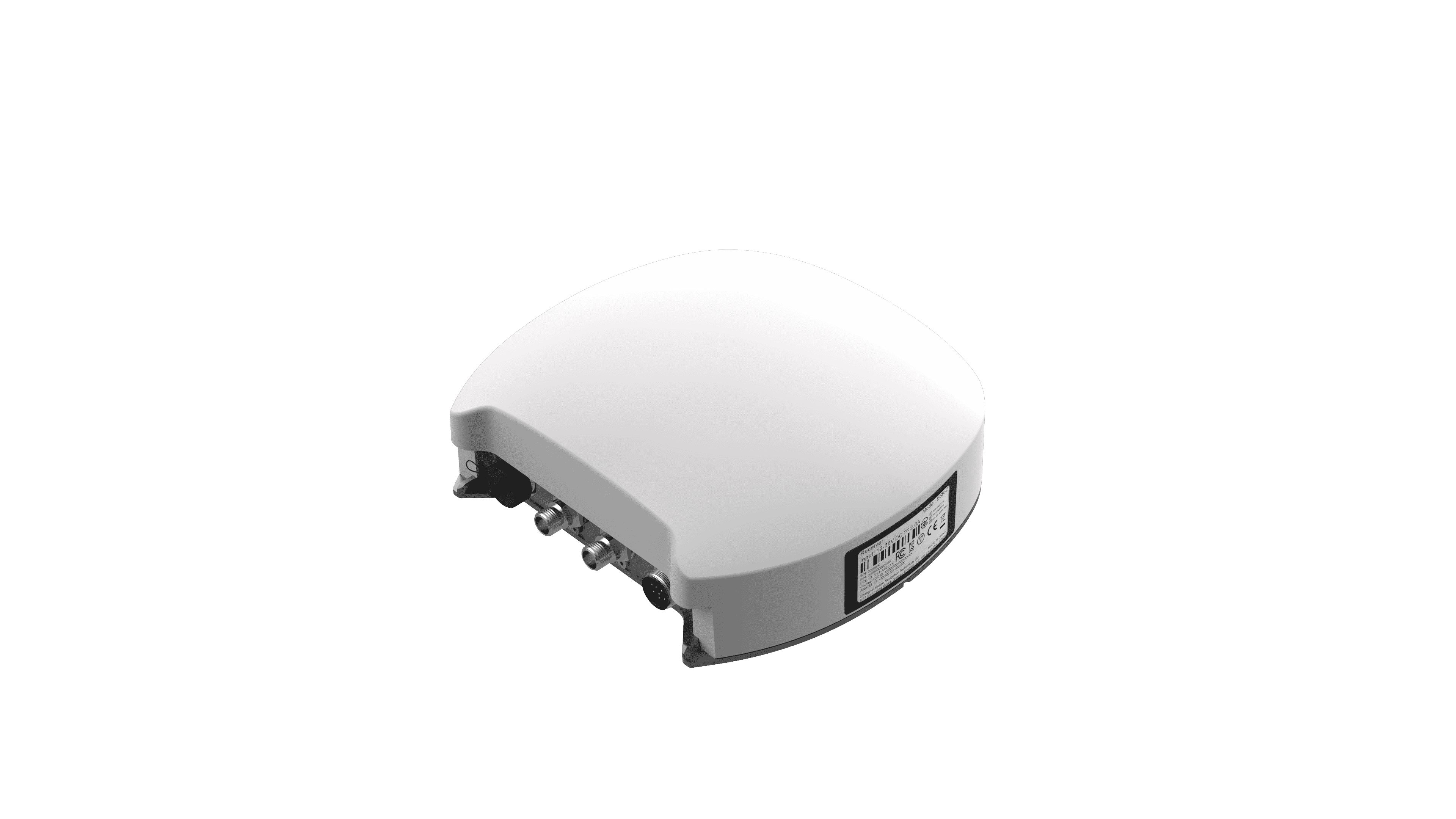
Picture this: a farmer standing in a wide stretch of their land, equipped with the latest technology, yet struggling with the inconsistency of traditional solutions. Statistics suggest that over 20% of farms experience inaccuracies that can dramatically affect yield. So, how do we address those hurdles effectively? Enter the rtk gps base station, a game changer in the realm of agricultural precision.
Why Conventional Solutions Fall Short
For years, farmers have relied on GPS technology and various positioning systems, but many solutions simply lack the accuracy needed for modern agricultural practices. In my experience, I’ve noticed that operators often grapple with the vagueness of satellite signals and their resulting imprecisions. This translates to wasted time, resources, and ultimately, profit. I remember a case back in 2019 where a colleague lost an entire season’s worth of crops simply because he couldn’t rely on his existing guidance systems—awful, isn’t it?
What’s Next in RTK Technology?
So, let’s talk about where we go from here. Transitioning to the use of an rtk gps base station can redefine productivity. With advancements in connectivity and data transmission, farmers can effortlessly manage their fields in greater detail than ever before. According to a 2022 study, user satisfaction rates increased by 30% after adopting these systems due to improved accuracy, reliability, and ease of use. We’re speaking of a future where the agricultural landscape can be mapped and managed with pinpoint accuracy—exciting stuff!
Real-world Impact of RTK Systems
As we delve deeper, the integration of technology such as this isn’t simply about enhancing the existing systems—it’s about fundamentally transforming the user experience in agriculture. With a rtk gps base station, producers can expect reduced input costs, better crop management strategies, and ultimately, higher yields. It’s no longer just a luxury; it’s becoming a necessity as farms face increasing pressures and competition.
Lessons Learned: Evaluating RTK Solutions
In navigating this demanding landscape, consider three pivotal evaluation metrics for choosing an RTK solution. First, assess the accuracy requirements of your operation; understanding this can make or break your investment. Second, evaluate the precision of data transmission—slow or unreliable data can lead to disastrous outcomes. Lastly, consider the integration capabilities of your system; seamless compatibility will save you heaps of time and potential headaches. I have seen countless farmers overlook these factors, only to wish they had paid a tad more attention.

As I conclude, I must raise a toast to the evolution of farming practices. Embracing advanced technologies like RTK systems not only simplifies tasks but also unlocks a future brimming with possibilities. So, no more waiting—let’s step into this future together with EFIX lighting our path!