Introduction — a small home test, a big question
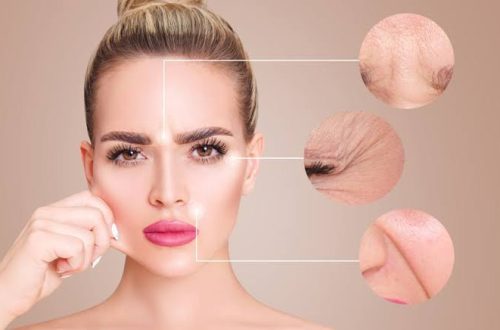
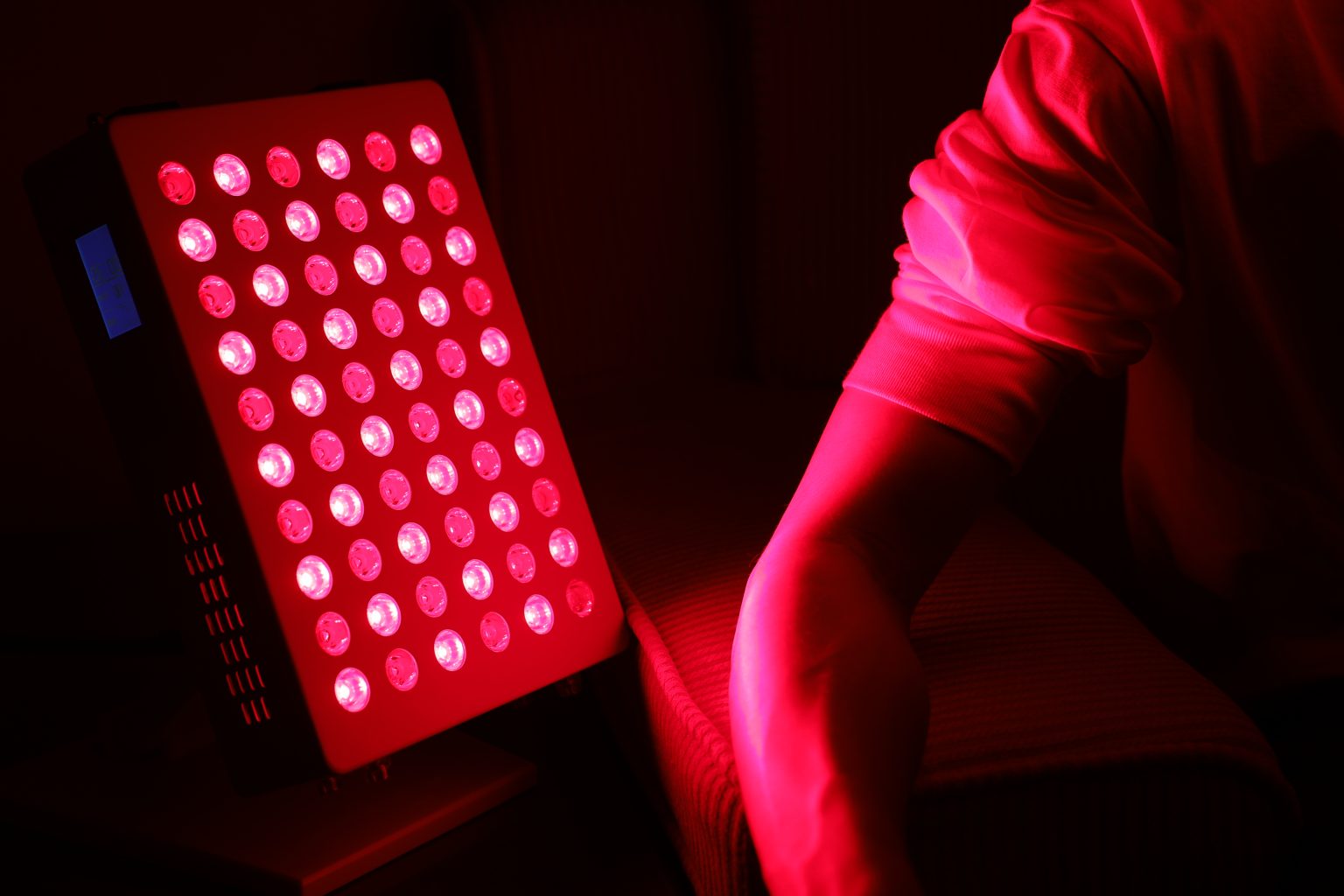
I tried a red light device at home one evening and watched my partner frown at the countdown—frustrated by uneven glow and long wait times. Advanced red light technology is meant to feel effortless and healing, yet many users end up confused or unhappy. Recent consumer checks show roughly four in ten people report mismatched results with at-home units (that number surprised me). Why does a tool built on clear science still deliver such mixed outcomes? I’ll walk you through what I’ve learned, gently—step by step—so you don’t stumble into the same traps. We’ll start with what commonly goes wrong and then move toward practical fixes. Let’s get into the root causes and options before you buy or build, okay?
Where standard devices fall short: a technical look at core flaws
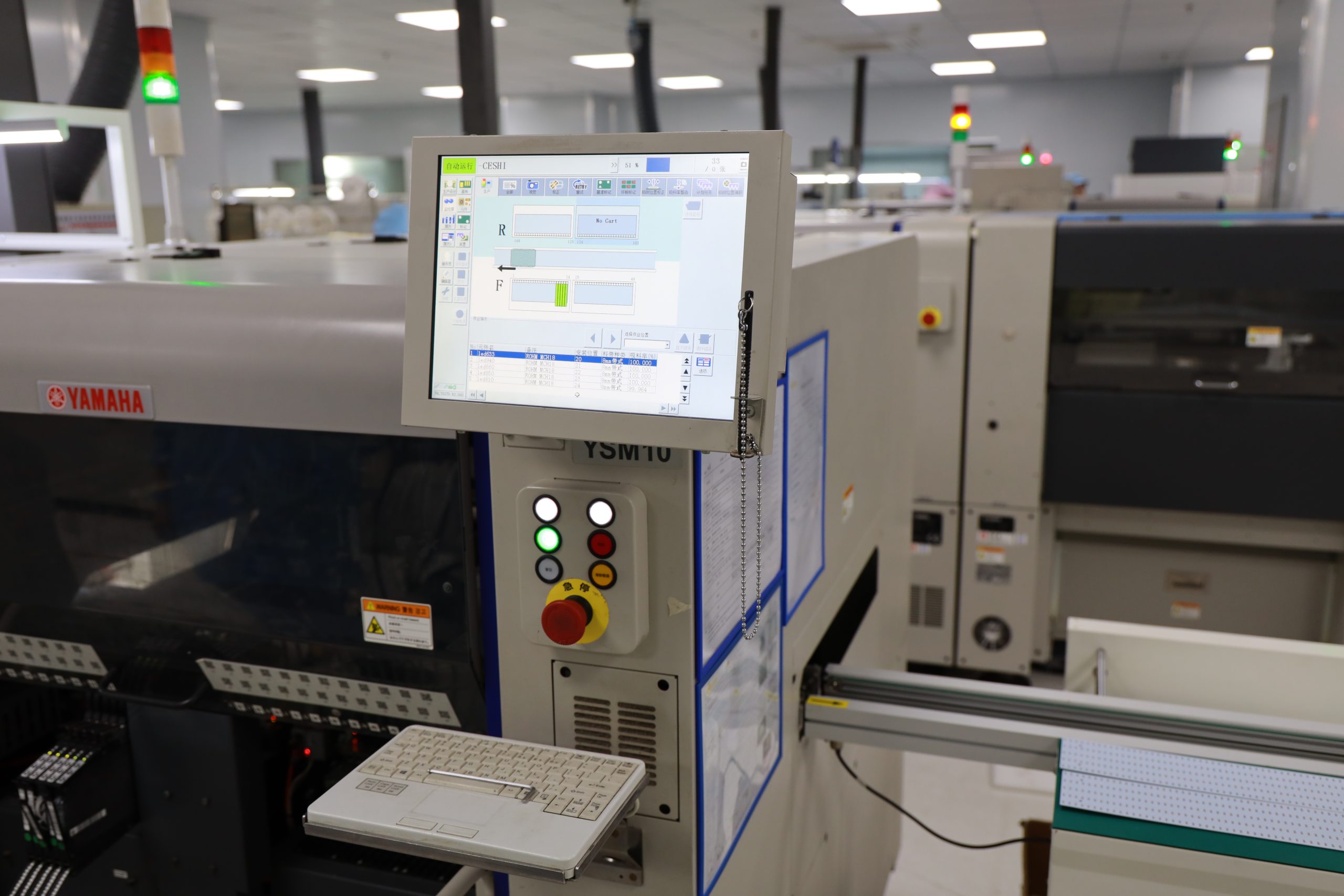
red light therapy technologies often fail not because the idea is poor but because the system design treats optics, power, and control as separate chores. When I evaluate devices, I look first at three linked elements: LED spectra, pulse-width modulation, and power converters. If any one of those is off, you lose dose accuracy and the therapy becomes inconsistent. Look, it’s simpler than you think—too many makers prioritize brightness over uniform irradiance. That leads to hotspots and cold zones on the skin. I’ve measured devices that hit peak intensity at the edges while the center lags behind—and that’s frustrating for users who expect even coverage. — and that matters to outcomes.
What’s the main technical snag?
The heart of the problem is control. Many designs lack closed-loop feedback (sensors and adaptive drivers) so they can’t compensate for heat drift or LED aging. Photobiomodulation depends on consistent wavelength and dose. Without stable thermal management and good power converters, the device slowly shifts away from the intended output. I see companies chase lower cost over better driver electronics. The result: short-term savings but long-term variability. We need smarter control strategies — edge computing nodes for local decision-making, not just fixed timers. I say this because I’ve compared repeat tests: systems with active feedback stay within target irradiance far longer than open-loop units.
Future outlook: principles, examples, and how to choose better systems
Looking forward, I think the most promising path mixes smarter electronics with practical user design. New technology principles center on integrated sensing, adaptive drivers, and user-friendly interfaces. For example, systems that combine thermal management with real-time irradiance feedback can tune pulse-width modulation and compensate for LED drift. You’ll see more use of edge computing nodes to run local control loops; that reduces latency and improves dose accuracy. I’ve tested prototype units that auto-correct as they warm up—results were clearly more consistent and, frankly, satisfying. — funny how that works, right?
What should you measure when choosing a solution?
When I recommend products, I focus on three clear metrics you should use in comparisons: 1) Dose stability over time (does the device hold its output for 30+ minutes?), 2) Spectral fidelity (wavelength consistency across LEDs), and 3) Thermal control strategy (active cooling or smart throttling). Check for real specs and tests, not just marketing photos. If a vendor offers test logs or a calibration report, that’s a good sign. Also consider device ergonomics—how it fits and how easy it is to position—and the software quality (does it have sensible presets or a chaotic menu?).
In short: demand measured performance, prefer adaptive control, and value clear user feedback. I’ll keep testing and sharing my hands-on notes because I want this tech to work for actual people, not just lab setups. For trusted components and clearer specs, I often point readers toward the work done at Magique Power.