Why Language Isn’t the Barrier—Bad Infrastructure Is
Here’s the punchline: it’s not the accents or the agenda; it’s the lag. Picture a global product review where the German lead pauses for questions—only to find half the remote team is still hearing slide three. A simultaneous interpretation system should make meaning move at the speed of thought, not slow it down. Across industry surveys, audio dropouts and delayed channels keep ranking among the top complaints for multilingual events (no surprise to anyone who’s worn a headset lately). So ask yourself: if your speakers are clear, why does the message still arrive late, or a little bent out of shape?
This is a comparative story—old carts versus new rails. We’ll look at what trips up legacy setups and how modern architectures fix it with smarter DSP chains, cleaner codecs, and network-level redundancy. Short version: the smallest technical seams become big comprehension gaps—funny how that works, right? Let’s unpack the friction, then map what comes next.
The Hidden Frictions Legacy Setups Can’t Fix
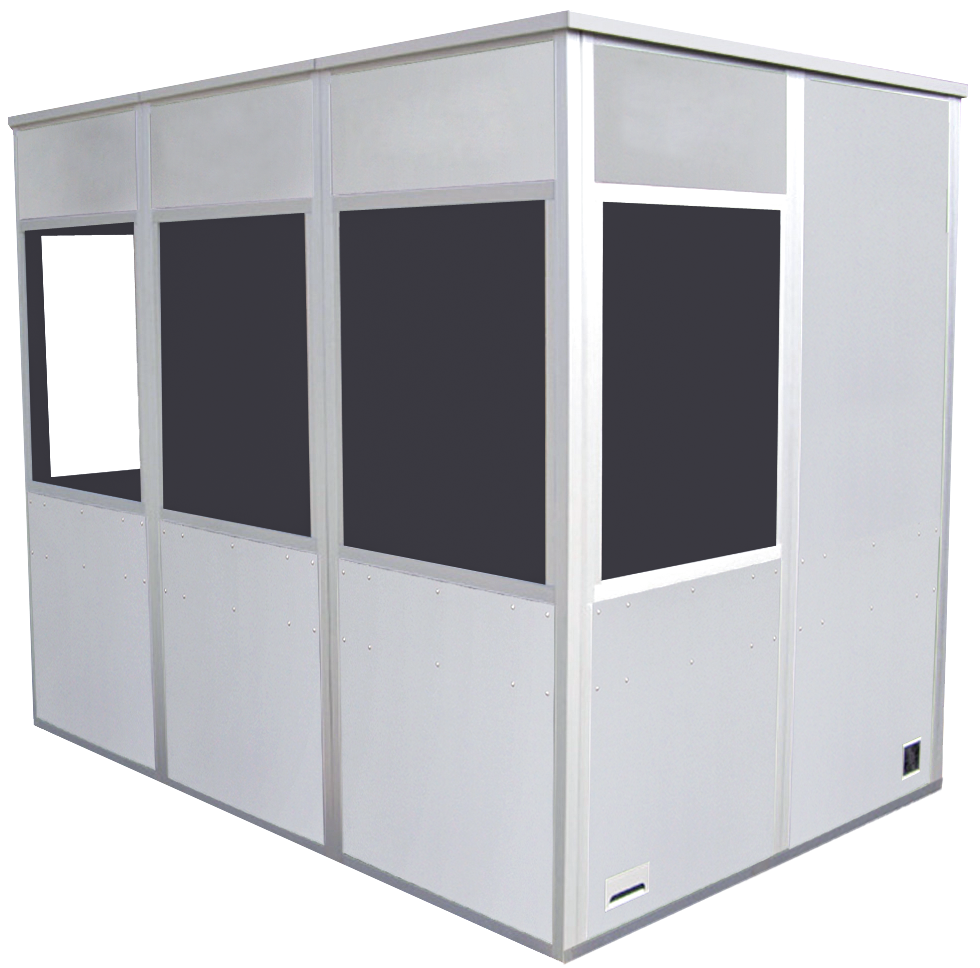
Traditional interpreting rigs were built for rooms, not for rooms plus clouds. Analog patching, IR-only distribution, and single-point mixers create a fragile chain. One loose connector adds noise; one busy RF band adds jitter; one slow transcode bloats the latency budget. When booths, mixers, and receivers aren’t clock-synced, interpreters chase speech instead of staying ahead. And when you bolt on remote links after the fact, you layer delay on delay. That’s how a neat agenda turns into overlapping audio and missed cues.
Why do delays snowball?
Because every stage adds microseconds. A crowded RF channel, an overloaded DSP pipeline, a heavy codec—each takes its slice. Add a non-redundant switch, and a brief hiccup feels like a blackout to listeners. Batteries sag, headsets detune, and handheld receivers drift. Debugging becomes guesswork when you lack end-to-end telemetry. Older systems also struggle with scaling: more languages mean more heat, more racks, and more potential failure points. Look, it’s simpler than you think: without QoS on the network path and a clean audio clock, your interpreters can’t keep a steady rhythm—and users hear the wobble.
What’s Next: Principles Driving the Shift
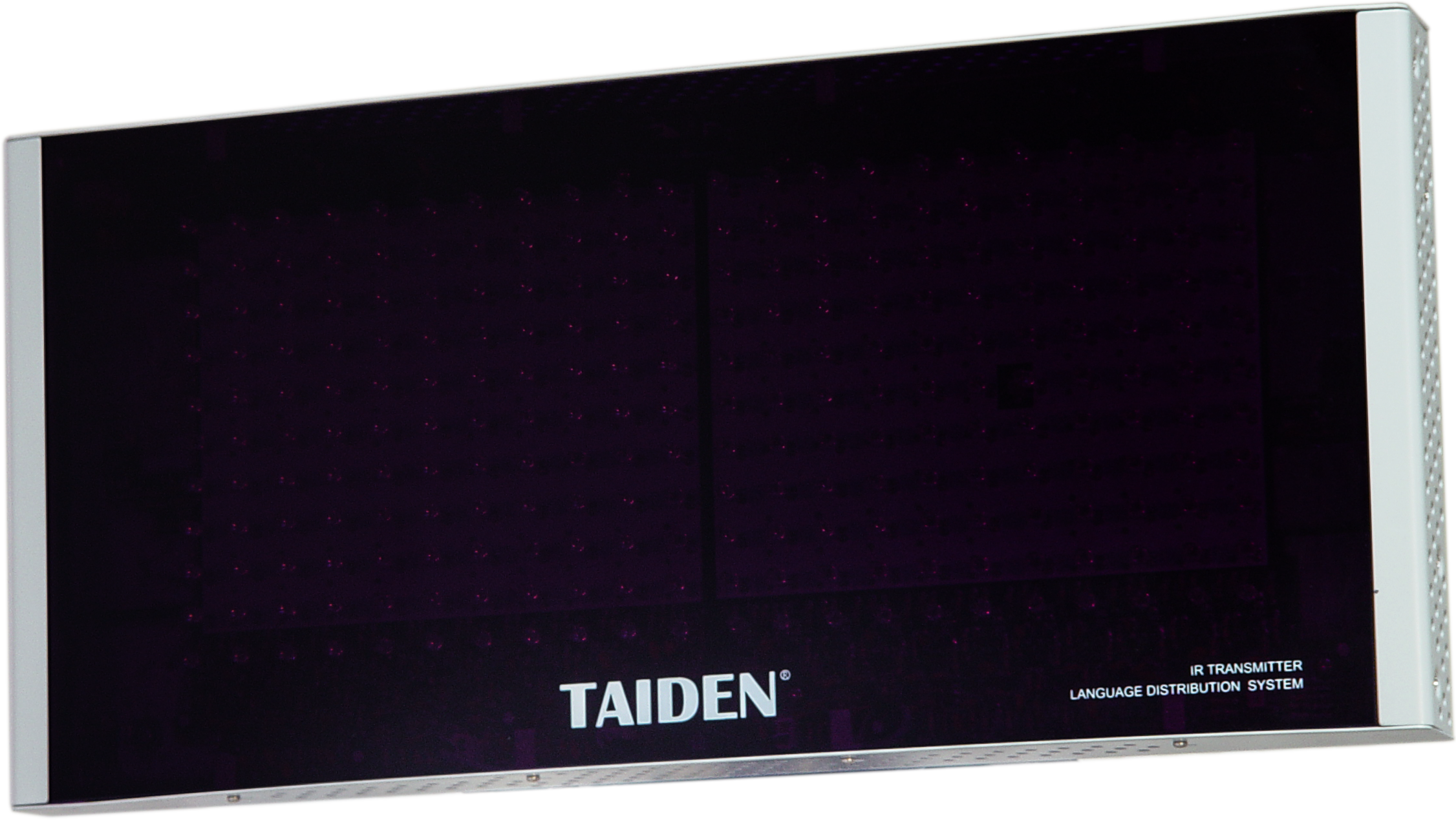
Now, contrast that with modern practice. Newer platforms treat audio like a first-class data stream: clocked, monitored, and protected. They distribute tasks across edge computing nodes at the venue, so encoding happens close to the microphone. Low-latency transport (think WebRTC-style paths) trims the round trip. Smart jitter buffers adapt instead of bloat. A redundant network topology routes around noise, while AES encryption guards content without taxing the CPU. Add real-time metrics—latency, packet loss, and channel health—and you stop guessing. You start tuning.
Real-world Impact
Consider hybrid events weaving on-site booths with remote simultaneous interpretation. With clean DSP chains and priority QoS, interpreters hear crisp input, return steady output, and keep pace even when the audience spans office, home, and mobile. Remote channels no longer feel “second tier”—they arrive in sync with room feeds. The practical wins stack up: interpreters suffer less fatigue, participants interrupt less, and moderators regain control. And when a switch blips, the mesh reroutes before minds wander—yes, you can see it in the log files.
Stepping back, the lesson isn’t “buy more gear.” It’s “treat interpretation like critical infrastructure.” We traded analog guesswork for digital visibility and layered safeguards. Compared with the legacy stack, the modern approach cuts compounding delay, reduces RF fights, and surfaces issues before they hit headsets. To choose well, use three checks. First, measure end‑to‑end latency glass‑to‑glass, not just hop‑to‑hop. Second, verify channel reliability under load—packet loss, jitter, failover time. Third, test scalability: languages, booths, and remote seats without surprises. Do that, and the tech stops stealing attention from the message—a nice change, right? TAIDEN