Introduction
Here’s the simple truth: the right bin makes waste neat, fast, and safe. Trash can manufacturers face rising pressure to deliver cleaner streets and smarter kitchens. Picture a busy café at lunch, or a warehouse aisle on a peak day; both move fast, but trash waits for no one. Cities spend billions each year on collection and cleanup, while brands track spill rates and labor minutes like hawks—because waste touches margins. When choosing a rubbish bin supplier, buyers try to balance durability, odor control, and price, and they do so under time and budget rules. (No one wants lids that slam or pedals that fail on day 120.) So the real question is this: how do we compare options without falling for shiny features that do not last?
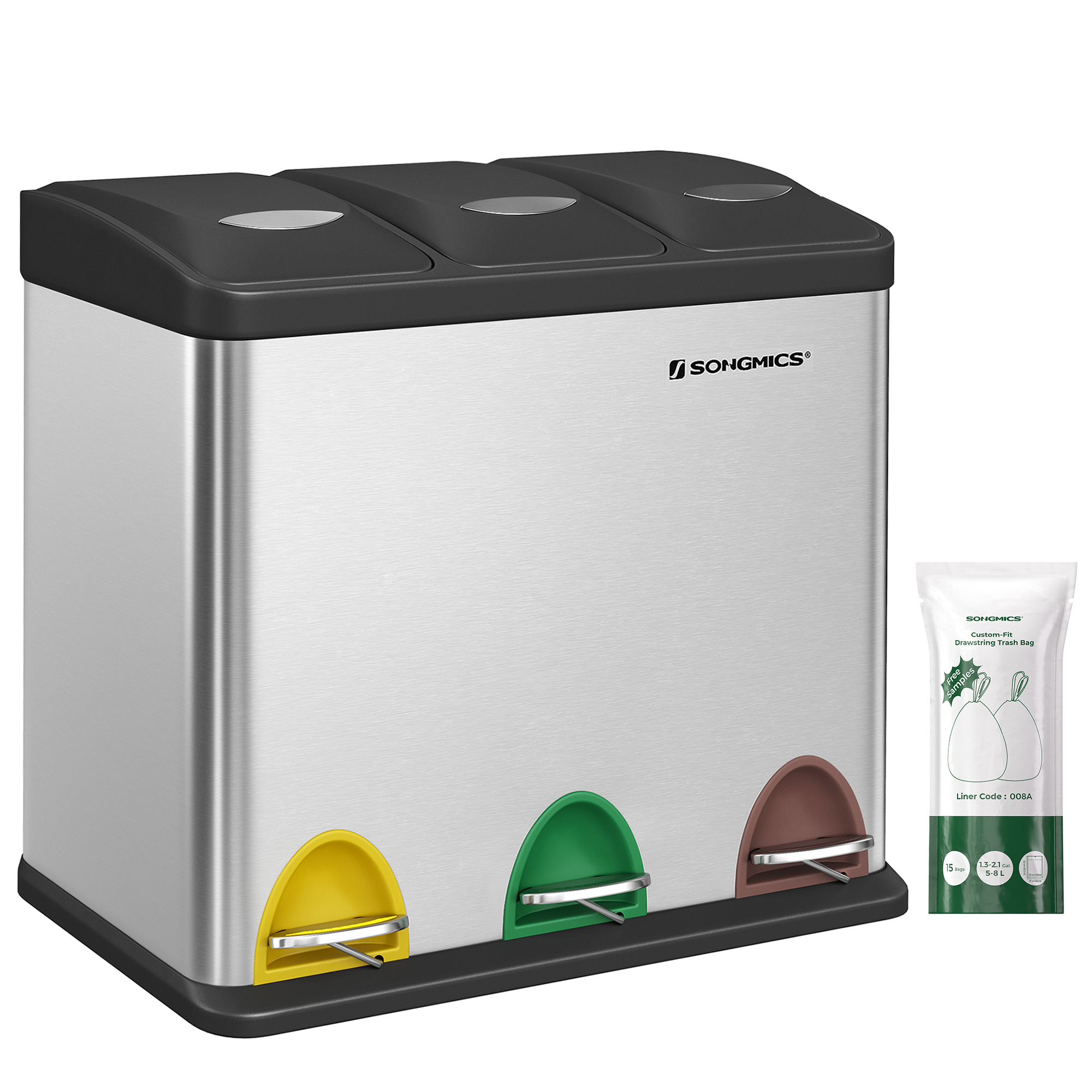
In this brief, we contrast what appears good on a spec sheet with what survives the floor. We will weigh materials, hinge life, and fit-and-finish against service costs and user safety. And then it clicks—simple trade-offs drive complex outcomes. Let’s move from claims to clear comparisons.
The Overlooked Gaps: What Users Feel vs. What Specs Promise
Where do legacy bins fall short?
Let’s be technical for a moment. Most buyer guides start with liters or gallons, then pedal type, then material. But user complaints begin elsewhere: sway, lid noise, bag slip, and smell. Traditional fixes rarely help because they target symptoms, not causes. A thin rim and loose hinge tolerance make liner fit messy. Low-grade steel can dent near the foot pedal. Powder coating chips under harsh cleaning. And if injection molding leaves a warp, the lid never seals right—funny how that works, right? These issues create extra wipes, extra trips, and extra grumbles from staff and guests.
Look, it’s simpler than you think. The pain points hide in micro-details: pedal return force, damping, and seal compression. Rubber gaskets that are too soft let odors through. Over-tight springs crack plastic pivots. A sensor module with poor IP rating fails under kitchen steam. When operators ask why bags fall, it is often a rim geometry issue, not the bag. When they ask why the bin rocks, it is the base footprint and floor friction, not the weight. So, the fix is not only a stronger shell. It is better material pairing (HDPE with stainless steel where it counts), consistent quality control on hinges, and clear guidance on liner compatibility. This is where a responsive supplier earns trust—by tuning small parts that change daily use.
Comparing What Lasts: Principles That Shift the Buyer’s Lens
What’s Next
Now let’s look forward and compare by design principles rather than slogans. Start with lifecycle performance. A bin that resists denting, keeps a stable seal, and holds liners firmly cuts hidden costs over time. Torque hinges and soft-close dampers prevent slams and extend lid life. If you want to add smart features, think simple and robust: sealed sensor housings, low-draw power converters, and replaceable modules. In high-traffic sites, edge computing nodes are not about big data; they are about simple counters and alerts that reduce labor minutes. For mid-size venues—coffee chains, school cafeterias—the capacity sweet spot often aligns with 13 gallon trash can wholesale orders, because liners are cheap, training is easy, and floor space is tight.
Here’s the comparative lens: metal vs. plastic, pedal vs. sensor, compact vs. jumbo. Stainless steel with good powder coating keeps its look and survives abrasion; premium plastics like polypropylene resist corrosion from cleaners and weigh less for safer moves. Pedals beat sensors where water, steam, or grease are common; sensors win in front-of-house where hands-free feels premium—if the IP rating is honest. Compact bins reduce odor spread because turnover is faster; big bins reduce trips but risk longer dwell time and smell. None of this is hype. It is small engineering choices adding up to a smoother day. The lesson from above sections stands, but now with a direction: compare vendors on failure modes, not just features—and ask for the test data that proves hinge cycles, seal compression, and liner retention.
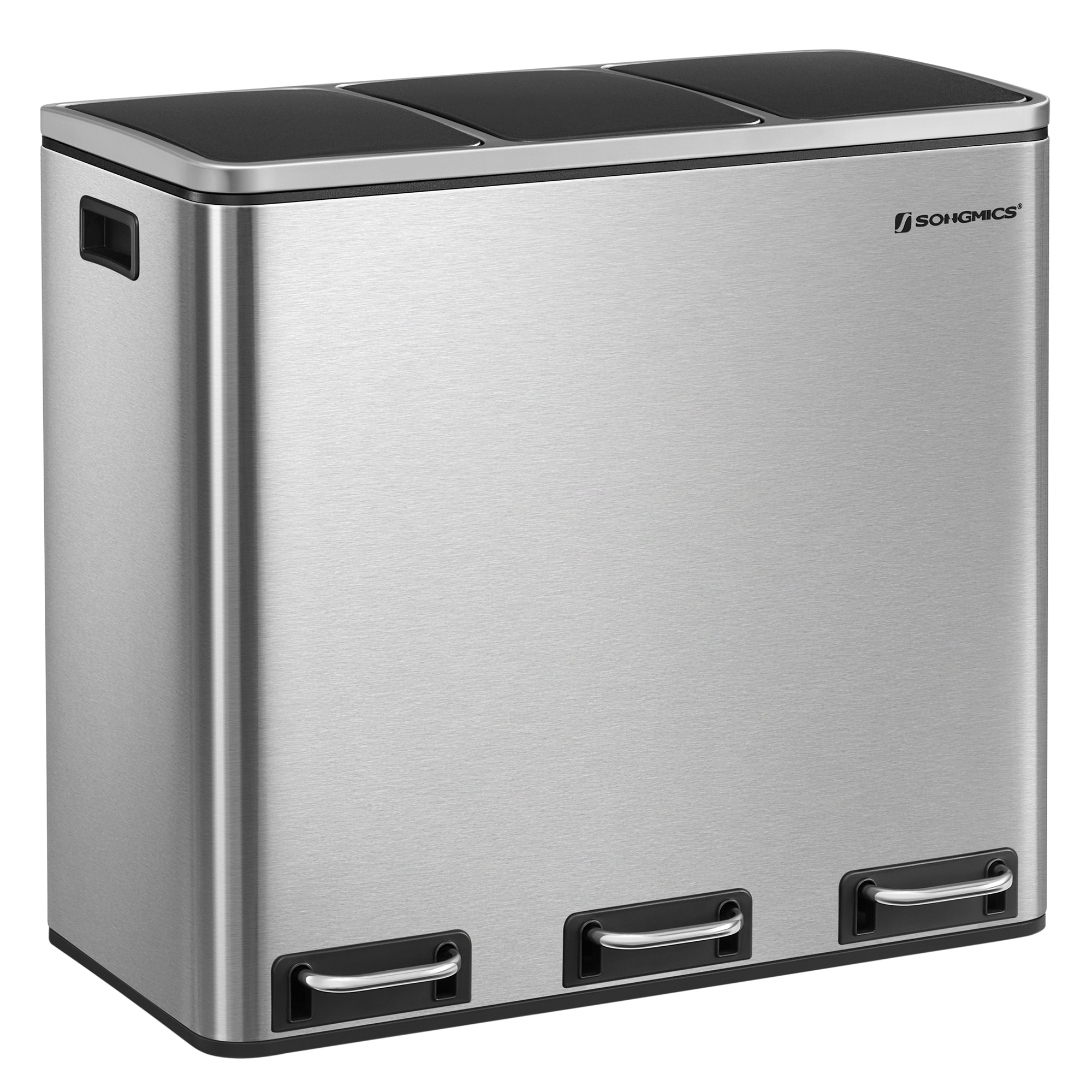
How to Choose with Confidence
To wrap up with practical advice, set three evaluation metrics before you shortlist. First, measure lifecycle cost per unit, per year, including liners, downtime, and cleaning labor. Second, track closure reliability: count lid cycles to failure and log soft-close consistency after 10,000 uses. Third, quantify odor control: use a simple VOC score or a timed sniff test after typical dwell periods. If a supplier can show repeatable results here, you are no longer guessing. You are buying time, safety, and a cleaner space. That is the quiet win that keeps teams happy and customers comfortable—one bin at a time. For more industry context and options, see SONGMICS HOME B2B.