When the Stoplight Turns Green: The Moment Performance Meets Surprise
Ever notice how some rides stay cool under pressure while others fade as the miles stack up? Right there in the daily grind, a v4 bike can feel like a quiet cheat code. Picture a busy boulevard at dusk: mixed traffic, hot air, and a line of riders itching to go. Recent rider polls say over half feel “power drop-off” after ten minutes of heat soak—no joke. So why does one bike seem to pull clean and steady when the rest feel winded? (And why does that steadiness matter on a tight commute or a long haul?) The answer isn’t just bigger numbers. It’s how the power shows up, how the chassis carries it, and how the system keeps repeating that delivery.
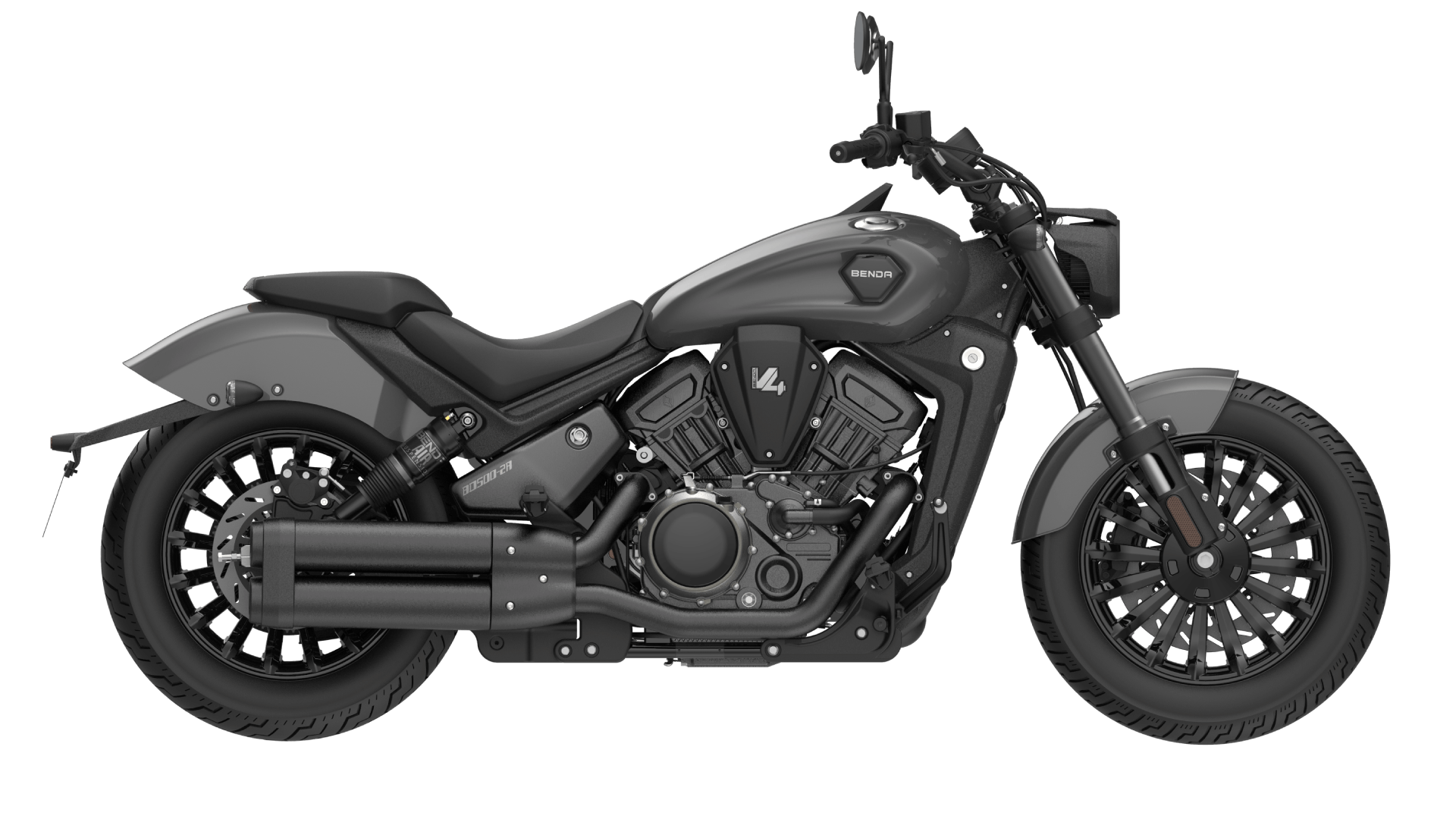
Here’s the real question: what does a fair comparison look like when torque curve, thermal management, and weight distribution all collide in the real world? Because on paper, lots of platforms shine. In traffic or up a mountain pass, fewer do. That’s where this story heads next—into the guts of why outcomes differ, and what that means when you want a bike that feels sharp today and still fresh at mile 400. Keep that picture in mind as we peel back the layers.
Under the Fairings: The Pain Points Old Setups Hide
What actually goes wrong?
Look, it’s simpler than you think. Many riders who switch to v4 engine motorcycles are reacting to the same hidden flaws in older layouts. Traditional twins often bring a punchy low end, but their narrow powerband can force short-shifting or over-revving in mixed terrain. Inline-fours, on the other hand, can make big top-end but lose steam in midrange roll-ons where real traffic lives. The result: lurchy transitions, heat build-up near the intake manifold, and fatigue from constant clutch work. Add in vague ECU mapping and you get inconsistent throttle feel—especially after heat soak—just when precision should be easiest.
Technically, the mismatch comes from uneven torque delivery across the usable rpm, limited cooling paths under load, and chassis balance that fights the engine’s character. Riders get micro-vibrations that a basic counterbalancer cannot smooth, and braking transitions that upset mid-corner line choice. That’s the pain you feel but can’t name. A V4’s firing order and compact packaging target that middle ground: broad torque curve, cleaner heat sheds, and predictable throttle modulation. Not magic. Just smarter load distribution and a calmer transition between gears and speeds—funny how that works, right? When power arrives in a stable wave, long rides feel shorter, and your focus stays on the road, not the lever dance.
Principles, Comparisons, and What’s Next
What’s Next
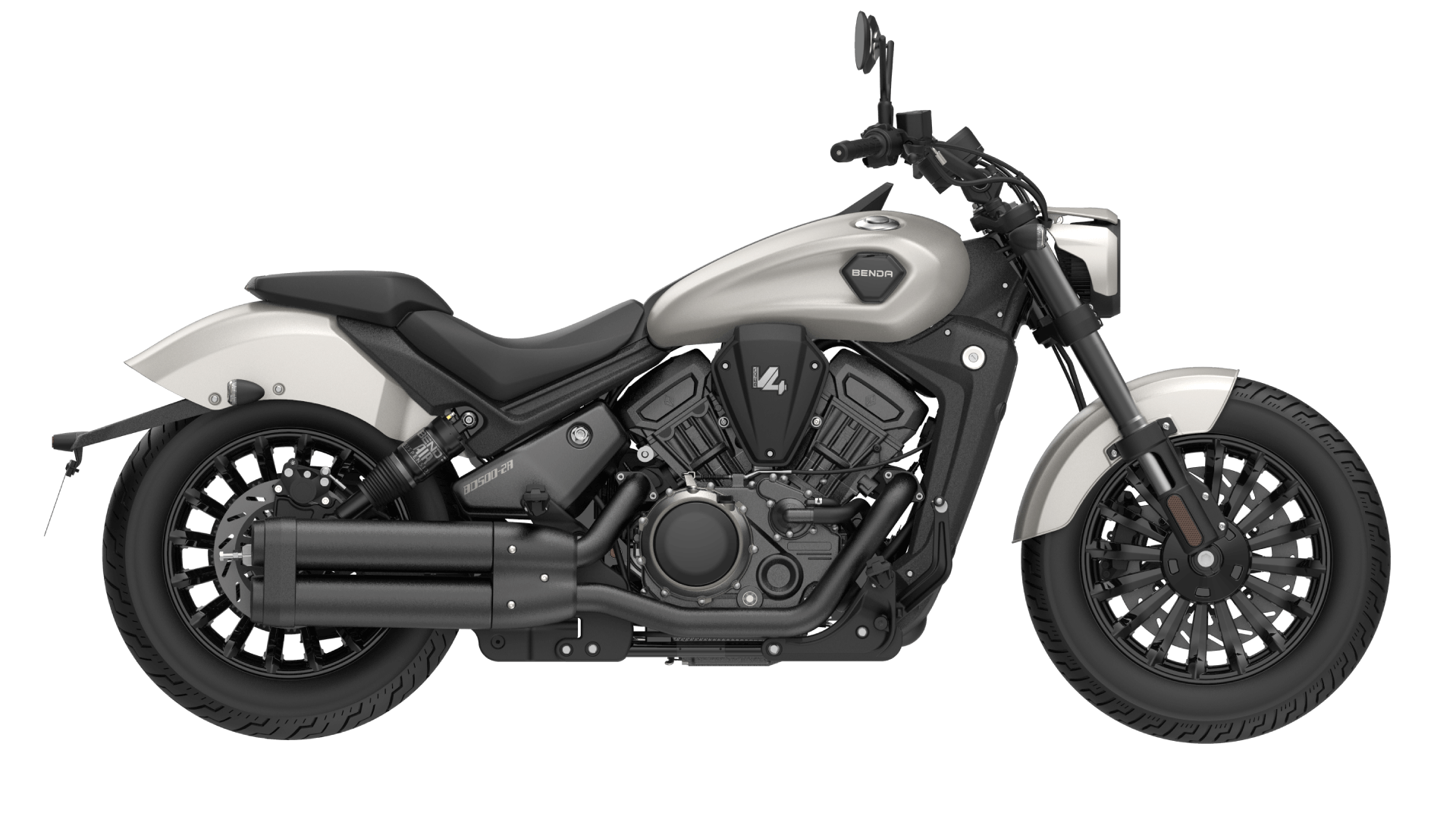
From a forward-looking angle, think in terms of system design, not just peak horsepower. Newer V4 architectures anchor performance around balanced pulse timing, tighter combustion control, and a frame that carries mass closer to the center. That shifts handling from reactive to neutral. Compared to classic layouts, you get smoother transitions through the midrange, less rider input to keep a line, and steadier thermal behavior under sustained load. If you’re eyeing a long-weekend machine, a modern v4 cruiser takes those principles and applies them to comfort geometry—wider bars, relaxed ergos—without dulling response. The takeaway isn’t “V4 wins at everything.” It’s that design coherence—engine, cooling, geometry, and electronics—reduces the trade-offs you used to accept. And when the bike stops fighting itself, it stops fighting you.
So how do you choose, practically? Here’s an advisory checklist you can use in 10 minutes flat—no spec-sheet tunnel vision. First, torque usability: test midrange roll-on in third and fourth; note how the curve feels, not just the number. Second, thermal consistency: after a long loop, check idle stability, fan cycles, and whether throttle response stays crisp. Third, chassis harmony: during trail braking, feel if the bike holds line without tugging bars; a sorted setup makes a slipper clutch feel like a bonus, not a band-aid. Keep an ear on intake note and a calm eye on temperature; both tell the truth. In the end, the right machine matches your rhythm—city darts or long arcs—and keeps that rhythm repeatable. That predictability is the quiet performance that lasts. For a deeper look at platforms built around those principles, see BENDA.