
First, picture this—then ask what you missed
You drop your tote on the bench after a long day and reach for your scent. The round perfume bottle is right there, easy to spot and nice to hold. That perfume round bottle you love looks perfect—until it rolls, smudges, and makes you wonder if the cap will stay tight in your bag. In recent audits, teams have noted that small shape choices can swing unboxing time and spill risk by more than you’d guess. And yet, most teams still choose bottles by style boards alone (we’ve all been there). So here’s the real question: are curves helping your brand, or hiding tiny usability traps that add returns and bad reviews?—funny how that works, right?

Let’s unpack why round works, where it fails, and how to design the curve so it performs on the shelf, in the hand, and in transit. On to the evidence.
The hidden pain points most teams ignore
What slips, misaligns, or fatigues users?
Technical take: round silhouettes feel premium, but geometry drives behavior. Without a defined flat on the base or shoulder, a bottle can roll on counters and in drawers. A glossy coating reduces friction, so grip drops further. Meanwhile, if the neck finish isn’t precise, the actuator alignment shifts, and the spray plume feels inconsistent. Small tolerances at the neck create big changes in perceived quality. Add uneven wall thickness and you can get weight imbalance; users sense it the second they lift. Packaging teams often notice only when cap wobble leads to micro-leaks.
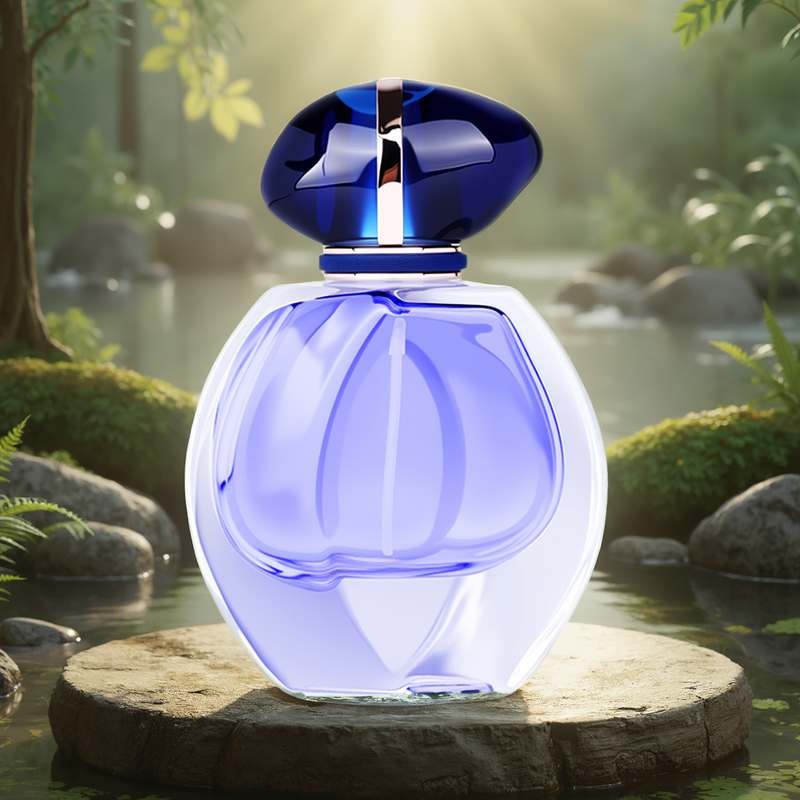
Look, it’s simpler than you think. Set guardrails early. Specify the neck finish to standard, verify closure torque under warm and cold conditions, and model center of gravity before cutting the mold cavity. Then validate in a quick-run drop test and a basic QC sampling plan. Do this, and the round profile stops being a risk and becomes a stable, hand-friendly shape. Skip it, and you get smears, slips, and support tickets that say “pretty, but messy.”
Comparative insight: where curves meet the next wave
What’s Next
Here’s the forward look, without the fluff. New tooling methods let you tune wall thickness by zone, so a round bottle can sit flatter and feel steadier than a square of the same volume. Parametric design also links shoulder radius to grip span, which reduces drop rates in field tests. Add a micro-texture under a clear UV coating, and you keep the gloss while gaining tactile control. Even small formats—like 30ml round glass perfume bottles—benefit: fewer surface prints, better cap alignment, and more consistent spray paths. Compare that to traditional square bottles: yes, they stack well in cartons, but corners chip and show wear faster. With round, you trade stacking for durability and comfort—unless you engineer flats and anti-roll features, which you now can.
We’ve covered slippage, alignment, and weight balance from a user lens, then flipped to how process fixes them. So choose with intent. Advisory close: use three metrics to decide. 1) Grip stability index: relate diameter-to-height and test with wet hands; target a pass rate above 95% in simple bench trials. 2) Spray uniformity: within ±10% over ten pumps, cap on and off, to stress the neck finish. 3) Impact resilience: base-first and shoulder-edge drop at realistic heights, aiming for no visible cracks and no cap loosening. Do that, and your round form works in real life—not just in renders. When you’re ready to benchmark suppliers and specs, keep a short list and verify against samples from NAVI Packaging.

