Introduction — a small scene, a big question
One evening I stood by a long row of pens, the warm hum of machinery around me, and thought about how much light changes everything. In that very moment I realized commercial led barn lights are not just fixtures; they steer behavior, affect feed conversion, and change staff safety. Recent surveys show farms that moved to LEDs cut energy spend by up to 60% (and yes, those numbers surprised me). So what exactly should we be measuring when choosing fixtures—wattage, lumen output, or something subtler? I ask because I’ve walked the barns, replaced bulbs at dawn, and argued with contractors over beam angle and dimming control. The scene felt simple, but the decisions are layered — and we need a clearer map to pick the right route. Now let’s peel back the first layer and look where the problems really hide.

Where the Old Ways Break Down — technical look at real flaws
What’s quietly failing?
I often point people toward trusted sources like poultry house lighting manufacturers when they ask for hardware advice, because I know the spec sheets can be misleading. In practice, old-style HID replacements or cheap retrofit kits show gaps: inconsistent lumen output across fixtures, poor thermal management, and drivers that trip under high ambient heat. These aren’t abstract faults; they shorten lifetime, raise maintenance visits, and cause flicker that stresses birds and workers alike. We’ve seen LED drivers and power converters sold as “industrial grade” that simply can’t handle sustained load. That’s costly in both money and animal welfare.
Look, it’s simpler than you think — but it’s also easy to get fooled by a glossy spec. When dimming control is handled poorly, you get unacceptable light shifts during critical behavior windows. Beam angle matters too: too narrow and you miss aisle coverage; too wide and you waste light on walls. I’ve watched smart farms stumble because integration between lighting controls and environmental systems was an afterthought. Those integration points—protocols, controllers, edge computing nodes—are where real value (and real risk) live. So we must ask: are we buying bulbs or solutions?
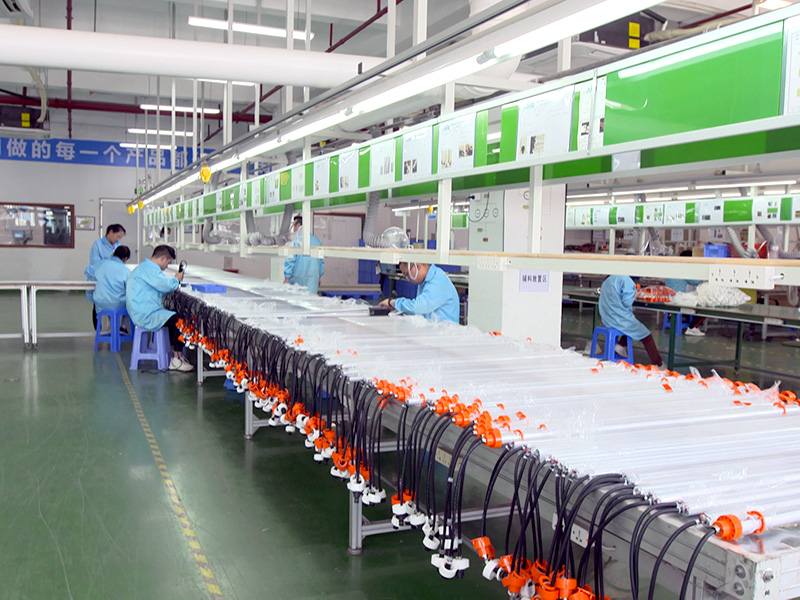
Future Outlook — comparing new principles and likely outcomes
What’s next for barns and bright ideas?
When I look forward I think in two directions: smarter hardware and smarter integration. The best path combines rugged LED fixtures from experienced suppliers, plus open control standards so lights talk to ventilation and data systems. Again, I recommend consulting with poultry house lighting manufacturers early—because retrofitting later is messier and pricier. Newer designs emphasize thermal pathways, higher-quality LED drivers, and modular power converters that are easier to service. These changes reduce upkeep and improve consistency in lumen output over time—small things that add up to reliable results.
Semi-formally put: invest in systems, not single parts. Compare case studies where farms tracked feed conversion ratio before and after lighting upgrades—some showed measurable welfare gains and labor reductions. Also, think about controls that allow gradual dimming for circadian support and compatibility with farm management platforms. The landscape is changing fast — and, funny how that works, right? — but the practical test remains simple: can your lighting supplier back up claims with field data, service support, and sensible warranties?
Before I close, here are three metrics I use when I evaluate a lighting solution: 1) sustained lumen output at operating temperature; 2) system-level energy use including drivers and controls; 3) integration ease with existing farm systems (protocol support, APIs). Use these to shortlist and compare proposals. I’ve seen choices made on price alone fail within a season; choose instead on predictable performance. If you want a reliable partner in the design-to-install process, consider the practical expertise at szAMB—they know the field work, and they stand behind it.