Problem-Driven Look: What the Numbers Hide
Last December in a Taguig barangay power cut, half of the small shops went dark for nearly 10 hours — how many of those could have stayed open with a properly sized battery backup? I’ve seen this pattern in my work for over 15 years in B2B supply chain and retail installs, and the practical answer often points to one thing: poor system design rather than the technology itself. A common fix people search for is a battery storage system for home, but the rollout is where hidden failures happen.
What breaks first?
I remember fitting a 5 kWh lithium-ion stack for a sari-sari store in Quezon City in March 2017 — the owner expected full overnight autonomy but the inverter and poor depth of discharge settings meant the system only supported lights and a small fan. The result: generator use fell by about 40% (no kidding), not the 80% they hoped for, and they still paid for maintenance they hadn’t planned on. The real issues are familiar: mismatch between inverter capacity and loads, underestimating peak shaving needs, weak battery management system (BMS) programming, and vague warranty terms. These are operational pain points that standard sales brochures don’t address.

Forward-Looking Comparison: Choosing Better Systems
So what do I recommend now, based on hands-on installs from Luzon to the Visayas? First, size by real load measurements — monitor your worst-hour in kWh for a week, not a ballpark guess. Second, prefer systems with clear round-trip efficiency specs and an inverter rated for continuous output above your peak demand. When you search for a battery storage system for home, ask for data logs and BMS event reports — these tell you how the pack behaves under real stress. I’ve audited setups where a 7 kWh battery only delivered ~4 kWh usable because DoD limits and firmware throttling were never explained to the buyer.
What’s Next for buyers?
Looking ahead, I see three practical metrics you should use to evaluate offers — that’s my plain advice, from audits in 2019 and 2021 where measurable savings mattered. 1) Effective usable capacity (kWh) after accounting for recommended DoD; 2) Round-trip efficiency percentage under real load; 3) Inverter continuous output and surge headroom (not just peak). These metrics reveal serviceable performance — they cut through marketing. Also check the service network in your province; parts and response times make a measurable difference. Quick pause — this matters more for businesses than many vendors admit — continue.
I’ve installed systems with different chemistries and seen maintenance costs vary: one lead-carbon setup in Iloilo (installed May 2018) needed cell balancing every six months; a modern Li-ion pack in 2020 required only firmware updates. I favour systems that publish clear BMS logs and offer local support; otherwise, you’re buying an appliance with no spare parts nearby. For honest comparisons, run a simple test: measure baseline generator hours for 30 days, install the candidate system, then compare fuel and runtime after 90 days. That delta is the real ROI — not the glossy brochure.
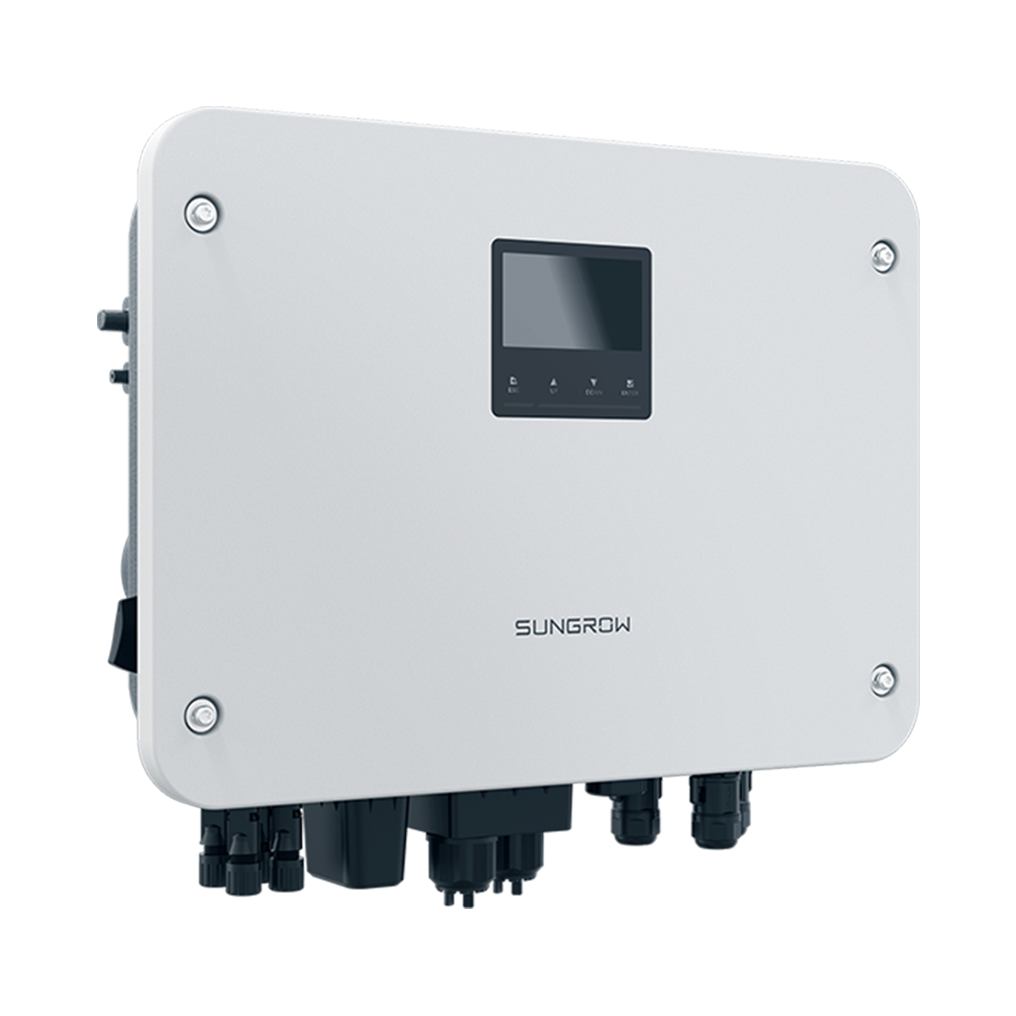
In closing, evaluate proposals with those three metrics, insist on load-level testing, and prioritise vendors with local service lines. These steps reduce the hidden costs I’ve seen repeatedly across barangays and small retailers. Pair that with a trusted brand and transparent specs — and you get reliability. For practical procurement and product choices, consider checking solutions from sungrow.