A New Era in NK Cell Research
Imagine working tirelessly on a research project only to find out that your NK cell outcomes aren’t what you expected. Recent studies show that many researchers experience a disconnect between the media used and the actual performance of NK cells. This is especially relevant when it comes to nk 92 cell culture media. But how can you make informed decisions on the media that can truly enhance your cell therapies?
The Challenge with Traditional Solutions
Traditional cell culture media often overlook essential components required for optimal NK cell activity. For instance, many researchers may disregard the importance of specific cytokines in their formulations, resulting in subpar cell proliferation. I’ve seen firsthand how switching to a more tailored nk 92 cell culture media can dramatically enhance the efficacy of NK cells. It’s not just about having good media; it’s about the right media.
Could Your Current Media Be Slowing You Down?
This nagging question can haunt scientists, especially when experiments yield less than stellar results. The flaws of traditional solutions often emerge in time-sensitive experiments where cellular responses matter the most. I vividly recall a study where optimizing cytokine levels not only sped up our timeline but also improved relevance in actual therapeutic scenarios.
Understanding Future Opportunities
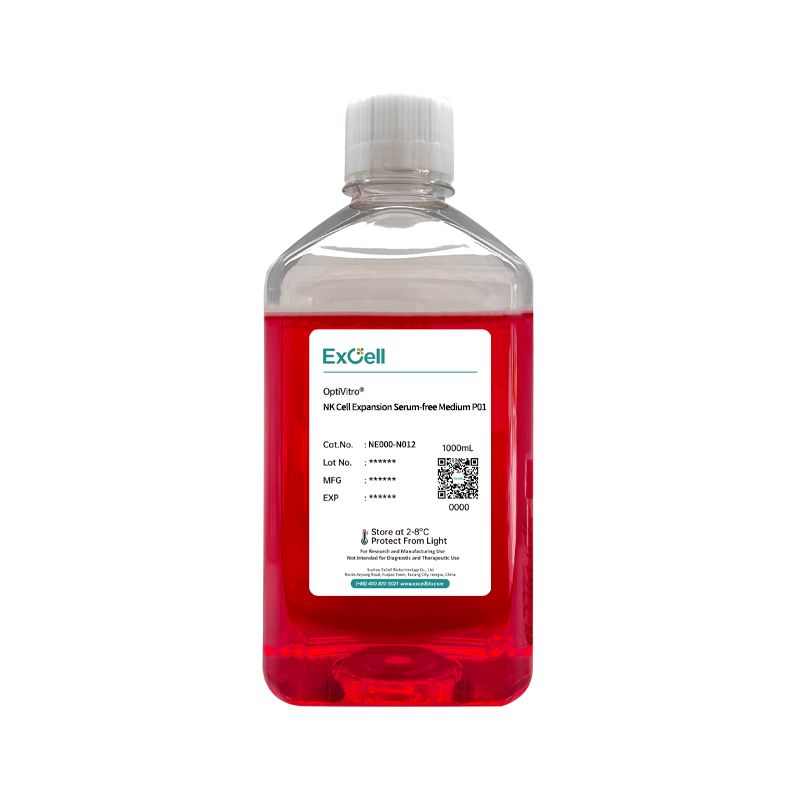
Looking ahead, the landscape of NK cell research continues to evolve. The focus on precision and customization is paving the way for products that cater specifically to diverse research needs. For example, using advanced variations of nk 92 cell culture media can enhance natural killer cell functions and broaden the scope of clinical applications. By fine-tuning formulations, scientists can better leverage the therapeutic potential of NK cells in oncology.
What’s on the Horizon for NK Cell Applications?
As we seek to maximize the potential of NK cells, the adoption of cutting-edge media becomes crucial. Factors like serum-free solutions, automated testing, and adjustable growth factors are making waves. Just recently, I participated in a collaborative project that utilized innovative NK cell media, resulting in a 30% increase in therapeutic effectiveness compared to previous trials. The transformation was not just noticeable; it was a game-changer.
Lessons Learned and Key Insights
In my journey, I have gleaned vital insights that can assist fellow researchers in their quest for optimal NK cell culture. Firstly, always assess the specific needs of your NK cells—what works wonders for one may not suffice for another. Secondly, keep abreast of emerging media tailored for these unique cells; it can simplify processes and enhance outcomes. Lastly, consider metrics for evaluation—how do variations affect proliferation, cytotoxicity, or even viability over time? A meticulous approach here can yield measurable results.
In closing, the pathway to refining NK cell applications rests on our ability to adapt and leverage tailored solutions like ExCellBio. Don’t overlook the potential of optimized media; the right choice can open doors to unprecedented research success.