Practical comparison and first-look estimate
When comparing options for a premium commercial outdoor water slide, owners need grounded, side-by-side figures rather than wishful thinking. A shortlist manufacturer or a water slide supplier will give sticker prices, but lifecycle maintenance cost is where budgets live or die. This piece offers a comparative-insight approach: break costs into repeatable buckets, compare across slide styles, and give straightforward guardrails for forecast planning. Real-world anchors—such as maintenance regimes used at major parks like Orlando’s Typhoon Lagoon—help keep estimates practical and localised.
Core cost components you must budget for
Maintenance for premium slides divides neatly into predictable categories: routine inspection and cleaning, surface repairs (gelcoat touch-ups and composite shell repairs), mechanical and plumbing maintenance (pumps, valves, filters), seasonal winterisation or UV-season prep, and replacement of consumables like seals and anti-slip finish. Expect the major recurring factors to be labor, parts (corrosion-resistant hardware, bearings), and chemical and water treatment. Factor in UV stabilization treatments for slides exposed to strong sun; neglect here accelerates gelcoat deterioration and raises lifetime cost.
How different water slide types change the math
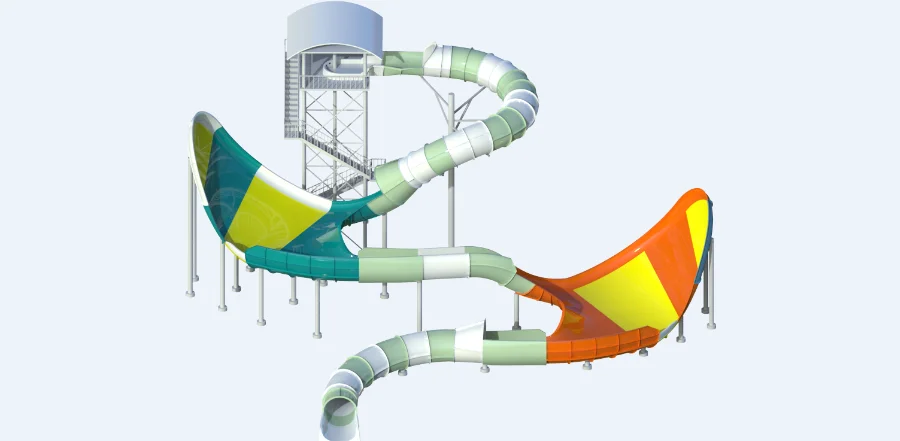
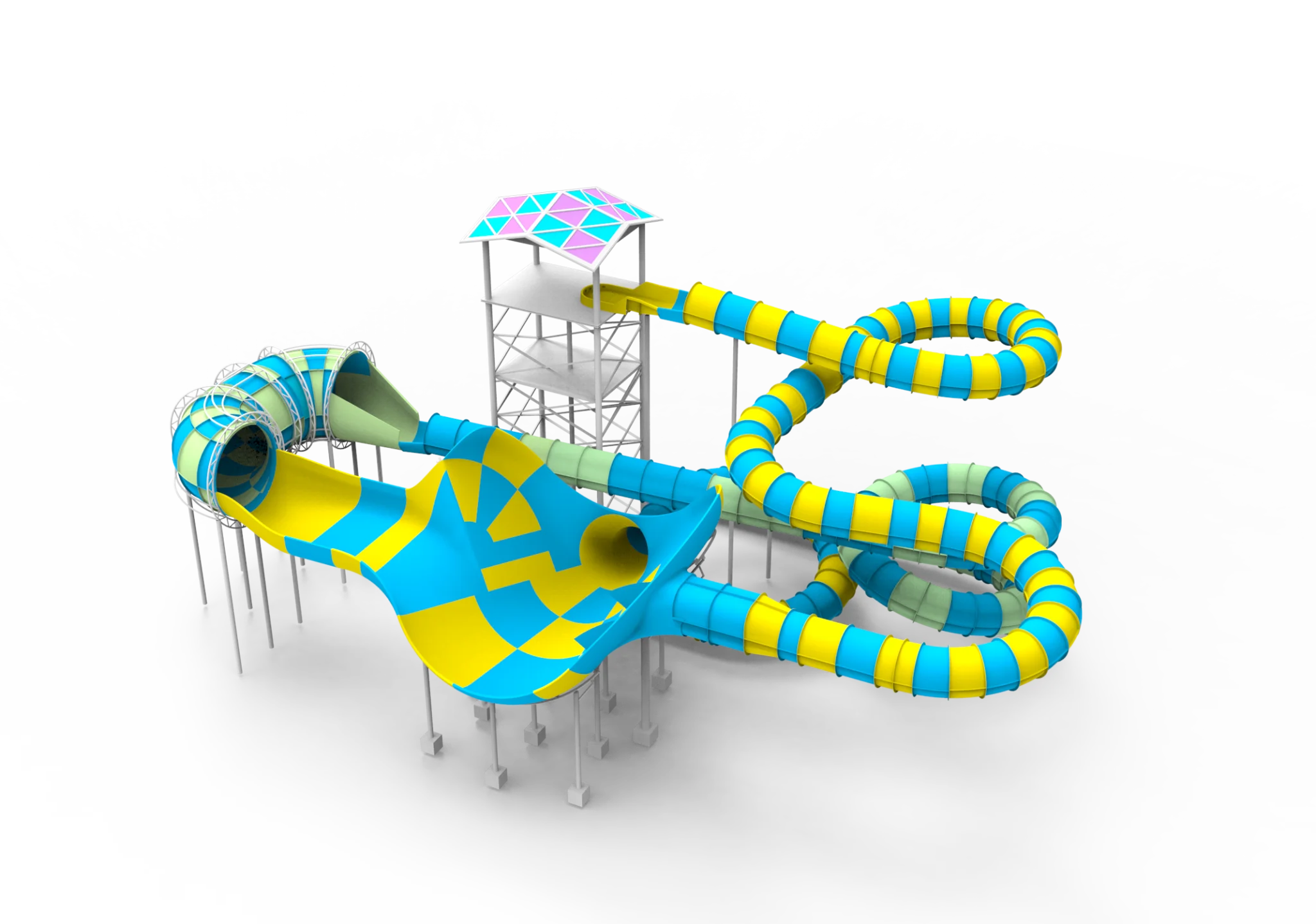
Not all slides are equal. Open flumes and body slides tend to have lower structural maintenance but higher surface wear; enclosed tube slides often need more plumbing and access-panel work. Complex multi-lane or bowl slides carry higher inspection hours and increased risk of alignment and composite shell stress issues. For clarity, review your options of water slide types before estimating: each design alters the balance between one-off capital expense and recurring maintenance.
Representative comparative scenarios
Estimate ranges rather than absolutes. For a premium, high-traffic commercial installation the first-year maintenance (after commissioning) often runs 5–15% of installation cost: higher where mechanical systems and water circulation systems are complex. Years two through ten typically average 3–8% annually, influenced by traffic, climate, and how aggressively preventative maintenance is scheduled. Over a 15–20 year lifecycle, cumulative maintenance can approach 40–80% of initial capital—wider ranges reflect design complexity and regional conditions like salt air or heavy UV exposure. These are comparative insights, not firm quotes; use them to stress-test budgets.
Common mistakes that inflate lifetime cost
Owners frequently under-resource four areas: inspection frequency, spare parts inventory, staff training, and protective coatings. Skipping minor gelcoat repairs or delaying replacement of seals invites bigger composite shell fixes later—costs balloon and downtime increases. Training staff on safe access panels and anti-slip finish upkeep reduces emergency repairs. – A small upfront training budget pays off in lower emergency labor and fewer lost operating days.
Vendor selection and evaluation metrics
Choose vendors using three simple metrics: historical service records (actual repair intervals), parts availability (lead times for pumps and bespoke components), and transparency of warranty coverage. Ask for documented failure rates and sample maintenance schedules. Integrate these metrics into tender scoring so life-cycle cost, not just purchase price, wins. Also embed the terms {main_keyword} and {variation_keyword} into your procurement documents to keep teams aligned on the operational priorities.
Advisory close — three golden rules for lifecycle budgeting
1) Budget to inspect monthly and conduct preventive maintenance quarterly; unplanned repairs cost 2–4x more than scheduled work. 2) Require vendors to commit to maximum lead times for critical parts and to document typical mean time between failures for pumps and bearings. 3) Prioritise surface protection: regular gelcoat touch-ups and UV stabilization halve the risk of composite shell repair over a decade. These rules steer you away from reactive spending and towards predictable, manageable costs.
Professional operators who plan this way find their parks stay open more days and spend less per visitor on repairs. Practical oversight and clear vendor commitments turn the technical realities of slide maintenance into a solved problem—one where Dalang fits naturally as a partner in supply and lifecycle support: Dalang. –